Beginner Coffee Guide
A plain beginner coffee guide: what coffee beans, roast levels and grind size do, which starter gear matters, and how a brew ratio gets you a good first cup.
Contents
- What coffee beans and roast levels do
- Grind size and brewing methods
- Starter gear and the brew ratio
- Questions new coffee brewers ask
- What do beginners need to know about coffee first?
- What beginner coffee equipment should I buy?
- How do I brew my first coffee at home?
- What are coffee tasting notes and should I use them?
A beginner coffee guide gives you the few facts that decide how a cup tastes, so you can start brewing without buying a shelf of gear. Coffee flavor comes from the bean, its roast level, the grind size and how water meets the grounds. You do not need a course to begin; you need a grinder, a brewing method and a way to measure. The sections below explain the coffee basics for beginners in plain words and answer the questions new brewers ask first.
What coffee beans and roast levels do
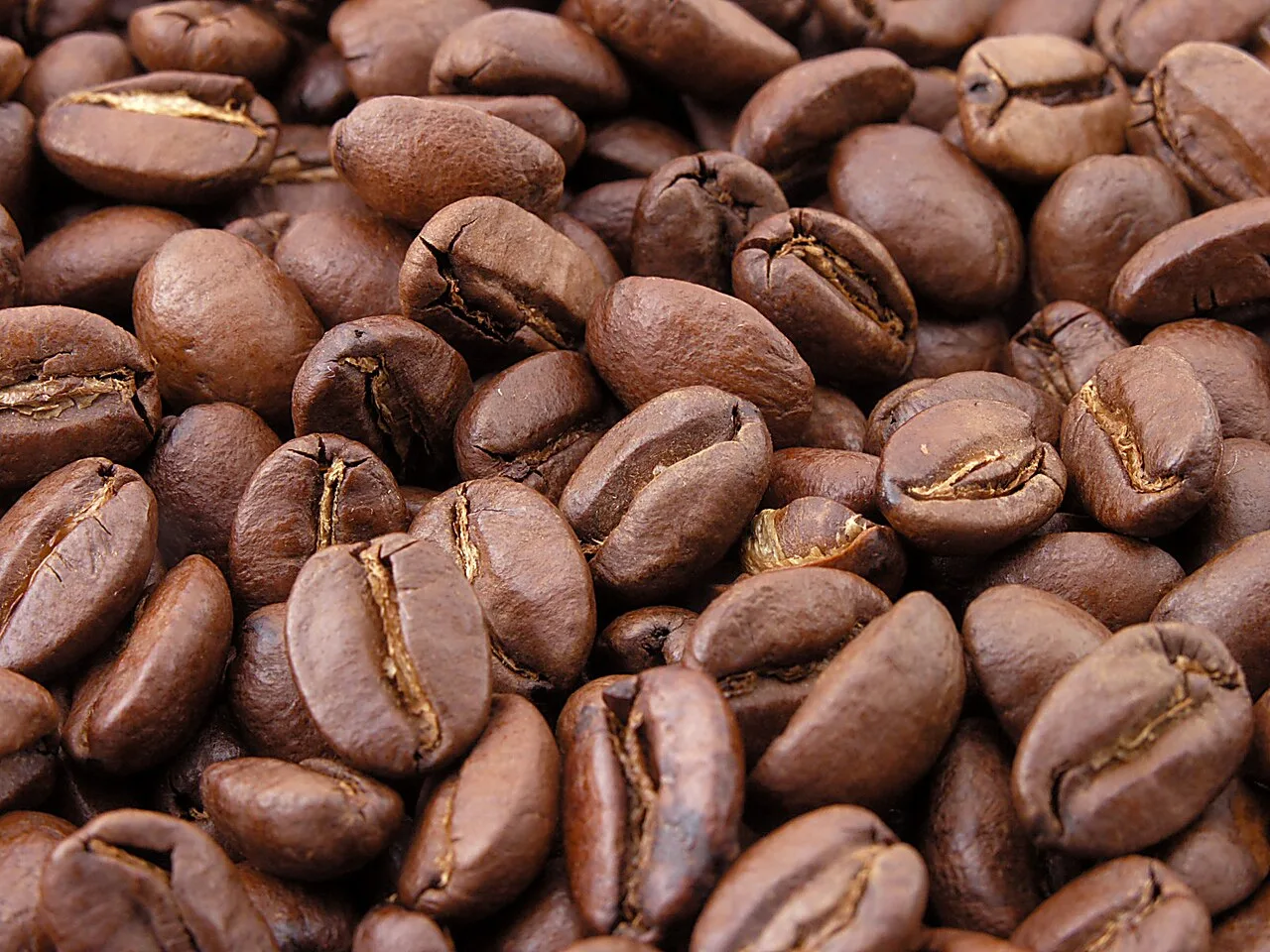
Coffee beans carry the flavor, and the roast level sets how much of it you taste. A light roast keeps the bean's own character, which can read as fruit or acidity. A dark roast adds roasted, chocolate-like notes and mutes the origin. Freshly roasted beans ground just before brewing give you more aroma than ground coffee that has sat open.
Grind size and brewing methods
Grind size controls how fast water pulls flavor out of the coffee, so it must match your brewing method. A fine grind suits a method where water and grounds stay in contact briefly, while a coarse grind suits one that steeps longer. If a cup tastes harsh and dry, the grind is likely too fine for the method. Change one thing at a time so you can tell what caused the difference.
Starter gear and the brew ratio
Beginner coffee equipment can stay small: a burr grinder, a scale, a kettle and one brewing method you like the look of. A burr grinder gives you even particles, which a blade grinder does not. A scale lets you weigh coffee and water, and the brew ratio is that weight relationship. A ratio written as coffee to water, such as one to sixteen, tells you how strong the cup will be before you taste it.
Questions new coffee brewers ask
What do beginners need to know about coffee first?
Beginners need to know four things about coffee: the bean, the roast level, the grind size and the brew ratio. These four decide most of what you taste in the cup. Gear matters less than getting those four consistent from one brew to the next. Start with one method and learn it before adding anything else.
What beginner coffee equipment should I buy?
Beginner coffee equipment should cover grinding, weighing and brewing, and nothing more at first. A burr grinder, a digital scale, a kettle and one brewing method form a complete starter kit. Buy the grinder before you spend on anything else, because grind quality shapes the cup. Add gear only when you know what a piece would change.
How do I brew my first coffee at home?
Your first coffee brewing session should follow one written recipe for your chosen method. Weigh your coffee, grind it to the size the recipe names, and heat water to the stated temperature. Pour in the order the recipe gives, then taste the cup and note one change for next time. Keeping notes turns a single brew into a repeatable routine.
What are coffee tasting notes and should I use them?
Coffee tasting notes are words roasters use to describe flavor, such as citrus, caramel or cocoa, and they are guides rather than rules. Your own taste depends on the bean, the roast and how you brew it. Use the notes to choose a bag that sounds appealing, then judge the cup yourself. Comparing two coffees side by side teaches you more than any label.